
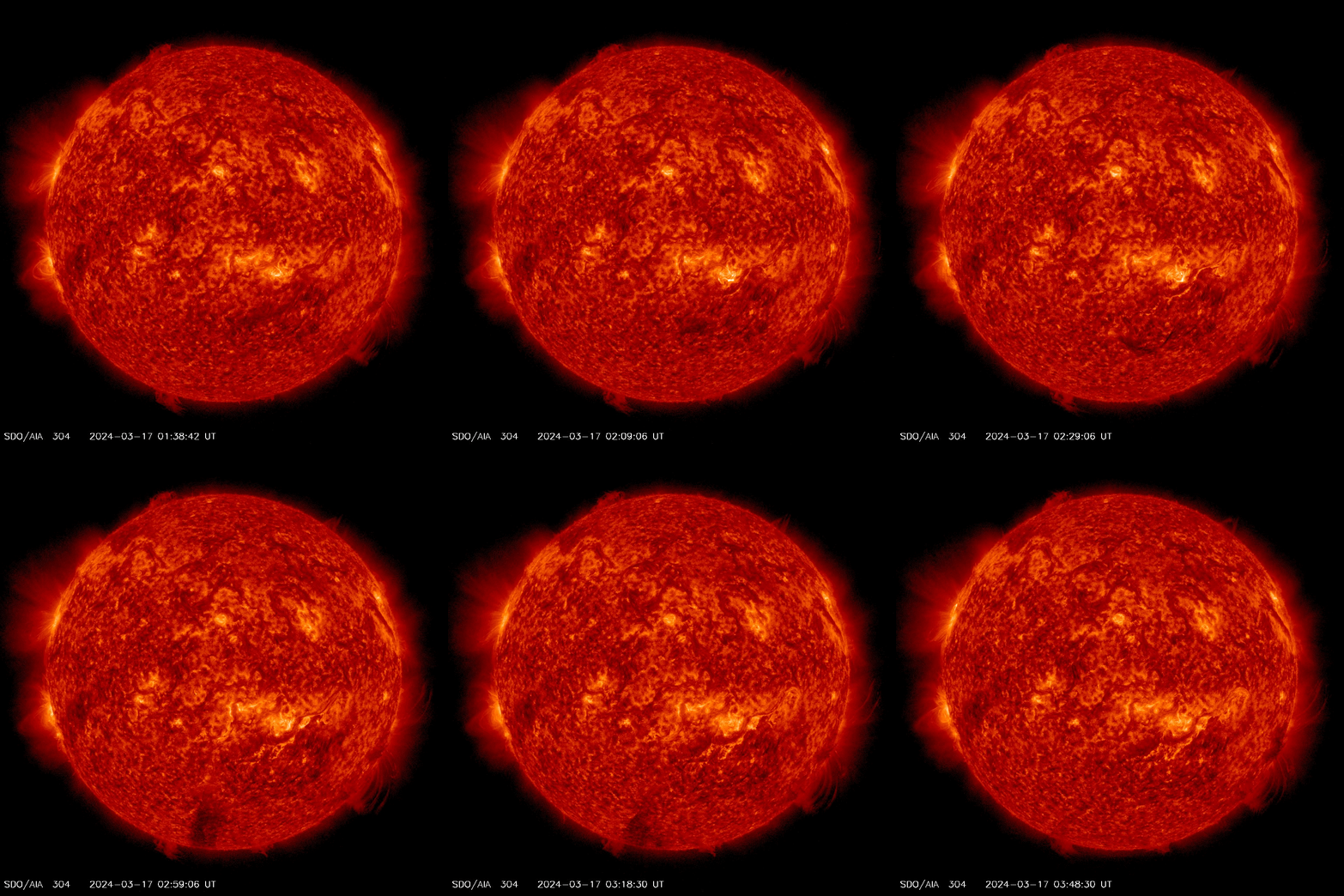
GEOMAGNETIC STORM WATCH (G1): Northern Spring begins today, and almost immediately a CME is expected to hit Earth. It was thrown into space on March 17th when a solar magnetic filament erupted. The CME’s impact on March 20th could spark a display of equinox auroras fueled by the Russell-McPherron effect. NOAA is forecasting G1-class geomagnetic storms on March 20th and 21st. Aurora alerts: SMS Text.
A POTENTIALLY DANGEROUS SUNSPOT: New sunspot AR3615 is complicated. It looks more like a rash than a sunspot, with a dozen+ dark cores scattered randomly over a wide area. A magnetic map of the region shows why it is potentially dangerous:
While most sunspots are bipolar with only two dominant magnetic poles (+ and -) , AR3615 appears to have many poles crushed together. The close proximity of multiple pluses (+) and minuses (-) within a single sunspot group could lead to magnetic reconnection and strong solar flares.
Indeed, AR3615 is crackling with flares. The strongest so far is this M6.7-class explosion recorded by NASA’s Solar Dynamics Observatory on March 18th (1919 UT):
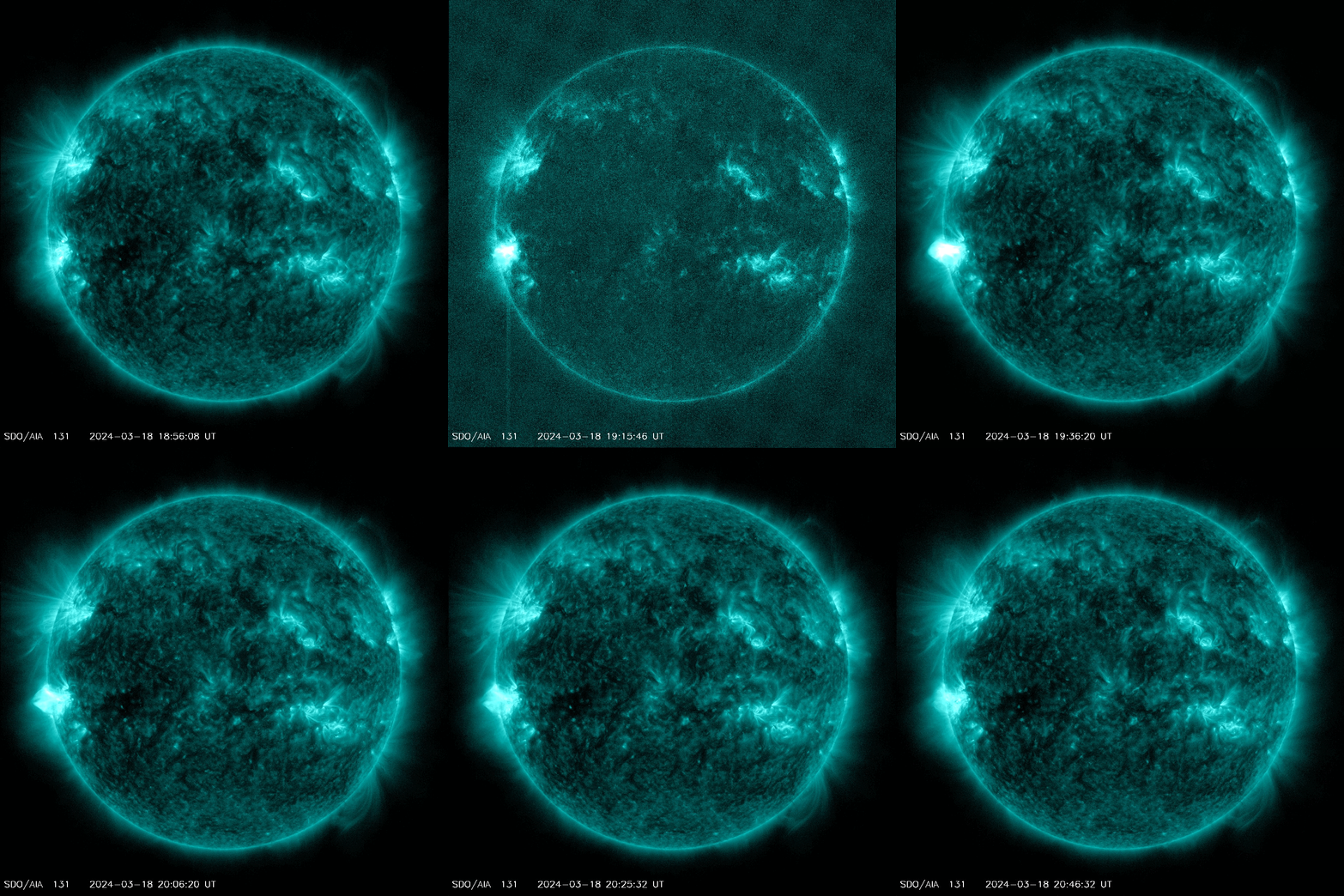
Ultraviolet radiation from the flare ionized the top of Earth’s atmosphere, causing a shortwave radio blackout over western parts of the USA: map. Mariners and ham radio operators may have noticed loss of signal below 30 MHz for as much as 30 minutes after the flare’s peak.
AR3615 is growing in spot count and complexity, so it could soon pose a threat for X-class solar flares as well. Stay tuned. Solar flare alerts: SMS Text.
 Synchronicity is the Source of Consciousness

