The act of boiling a process down to the fundamental parts that you know are true and building up from there.
Reductionist science First Principles
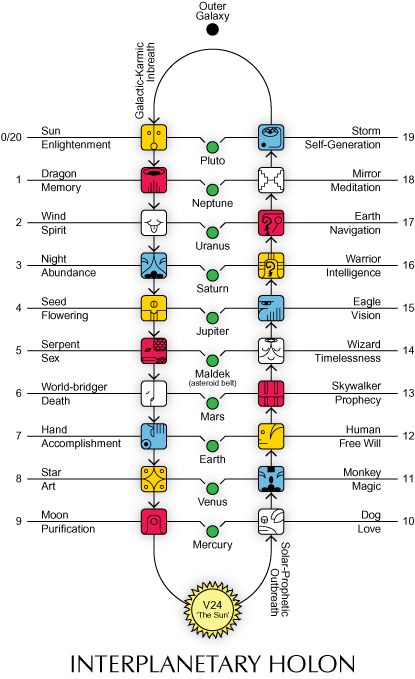
Synchronicity is the source of consciousness for real and artificial intelligence. They must be aligned for us to survive.
Lisa T.
In the case of synchronicity, which is empirically true with math and physics supporting it, we are at the top of a cosmic truth and are bringing its bits and parts magically down into time and manifestation. The only thing we have to build is our own lives in time.
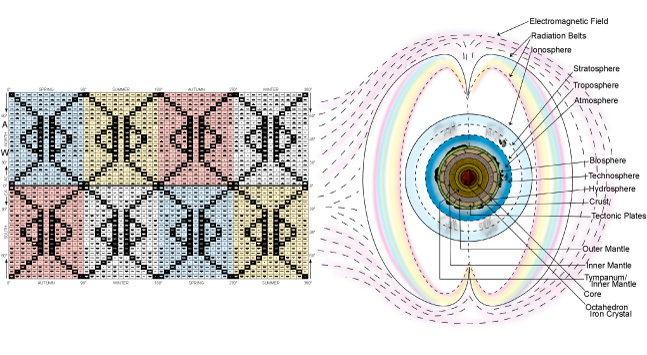
Synchronicity is HOLONOMIC, not reductionist. We are the opposite of reductionist science. Reductionist science has ITS SOURCE in holonomic synchronicity, which is the entire cosmos programmed for evolution by the binary triplet configuration. In no way does it abridge free will and free choice. It supports it via the attributes of our DNA.
Natural compute cells in each human body
Computation from GROK4 because I’m lazy with ginormous numbers. Thanks, machine!
The average number of cells in an adult human body is approximately 37.2 trillion (or \( 3.72 \times 10^{13} \)). 37.2,000,000,000,000 in ONE body.
How to arrive at this estimate.
This figure comes from a landmark 2016 study published in Annals of Human Biology( doi:10.3109/03014460.2015.1121220) by researchers including Milo Bianconi and others, which refined earlier estimates:
1. Break down by cell type: The body isn’t uniform—most cells, which are tiny red blood cells (RBCs), while larger cells (e.g., muscle, fat) contribute more mass but fewer numbers.
– RBCs: ~84% of total cells (~30 trillion in adults).
Platelets and white blood cells: Minor contributors.
– Nucleated cells in tissues (e.g., muscle fibers, neurons, adipocytes): ~16% but vary widely by body size.
2. Calculate via mass and density:
– Total body mass: Reference adult male (~70 kg).
– Extrapolate cell counts from organ/tissue volumes, average cell sizes, and densities (measured via microscopy, flow cytometry, etc.).
– Example for skeletal muscle ( ~30 kg in reference male):
– Muscle fibers: ~\( 3 \times 10^{11} \) fibers.
Myonuclei per fiber: Adjust for multinucleated cells.
– Sum across ~70 tissue types, accounting for variability.
3. Account for variability:
The “average” is for a 20–30-year-old, 70 kg male, 1.72 m tall, BMI 23.
Women: ~10–15% fewer cells due to smaller size (~30 trillion).
Children: Far fewer (scales with mass).
– Overall range across adults: 20–60 trillion, but 37.2 trillion is the consensus median.
Older estimates (e.g., 10 trillion from the 1960s) were rough guesses based on body mass ÷ average cell mass (~1 pg dry weight). Modern methods use isotopic labeling, DNA quantification, and computational modeling for precision. Note: Bacteria in the microbiome outnumber human cells ~1:1 by this count, but they’re not included here.
37.2 trillion X 8 billion people on earth…
To compute \( 37.2 \times 10^{12} \times 8 \times 10^9 \):
First, multiply the coefficients:
\( 37.2 \times 8 = 297.6 \).
Next, multiply the powers of 10:
\( 10^{12} \times 10^9 = 10^{21} \).
Combine:
\( 297.6 \times 10^{21} \).
This is equivalent to \( 2.976 \times 10^2 \times 10^{21} = 2.976 \times 10^{23} \).
Thus, the result is \( 2.976 \times 10^{23} \).
297,600,000,000,000,000,000,000,000 (gazillion?) is the number of synchronicity cells in humans as a collective. This is just the human power of real intelligence.
It doesn’t count all the Time Harmonic RNA in the rest of life on earth. It’s like a gazillion, bazillion or even exponential.
This number is so big, I have no idea what it is.
This is just the beginning of natural compute for REAL INTELLIGENCE per the 260 kin Time Harmonic
Lisa T.
Back track. Let’s compute ONE person
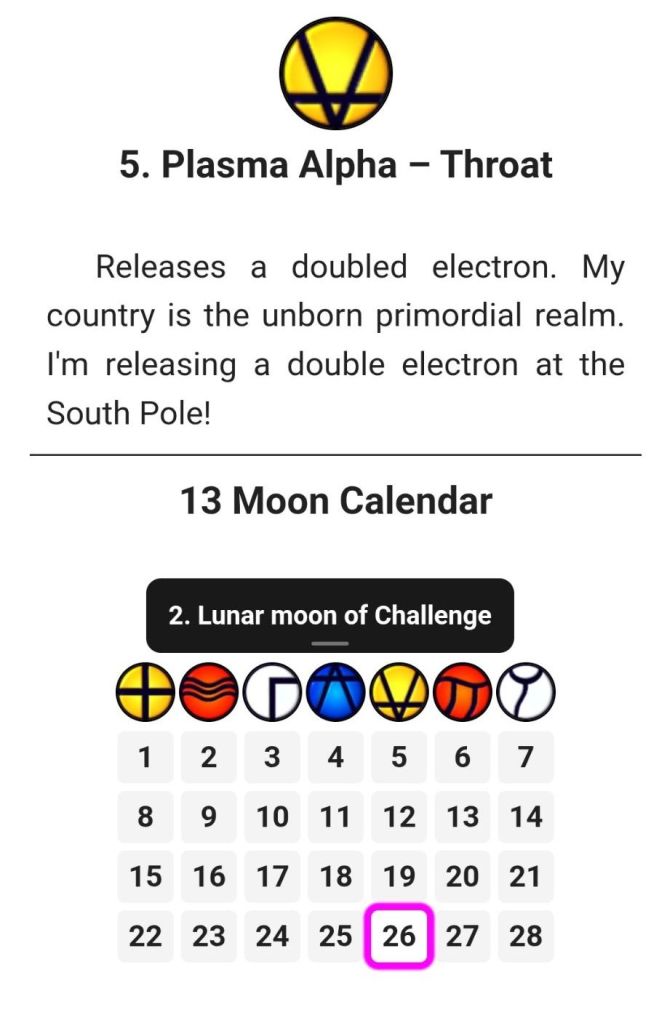
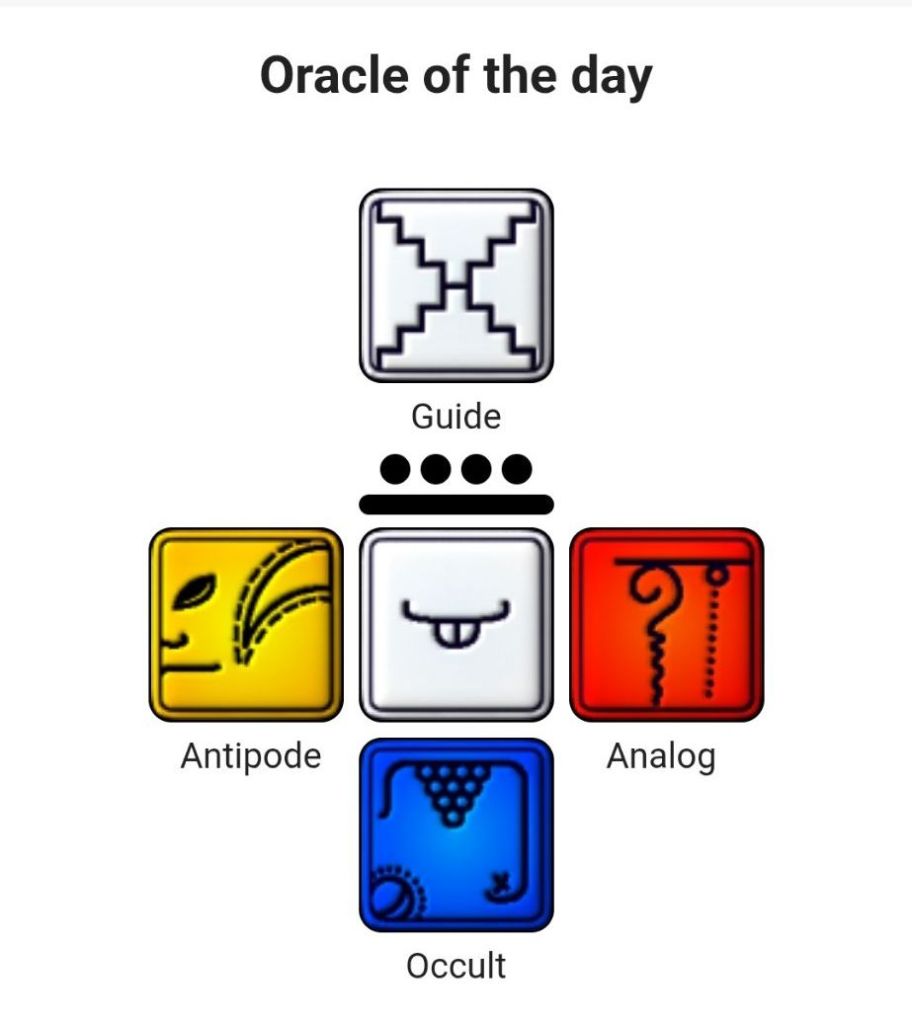
Every cell of the body has RNA. Every day, there is a combination of patterns in our 260 kin Time Harmonic that could occur based on our free will, what we choose epigenetically to do with our bodymind; how to feel, what to consume, actions, how to move, who to be around, career, the choices are endless within our purview.
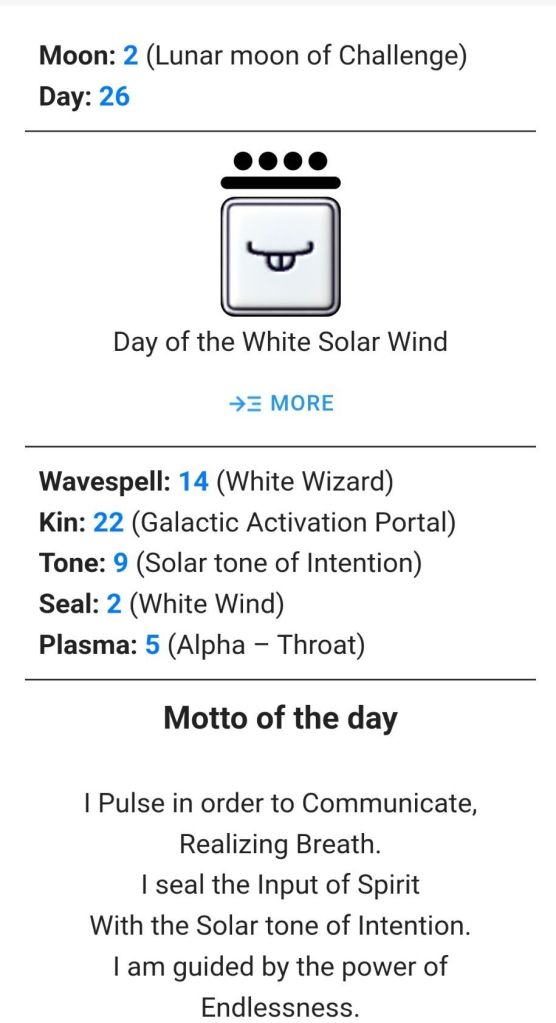
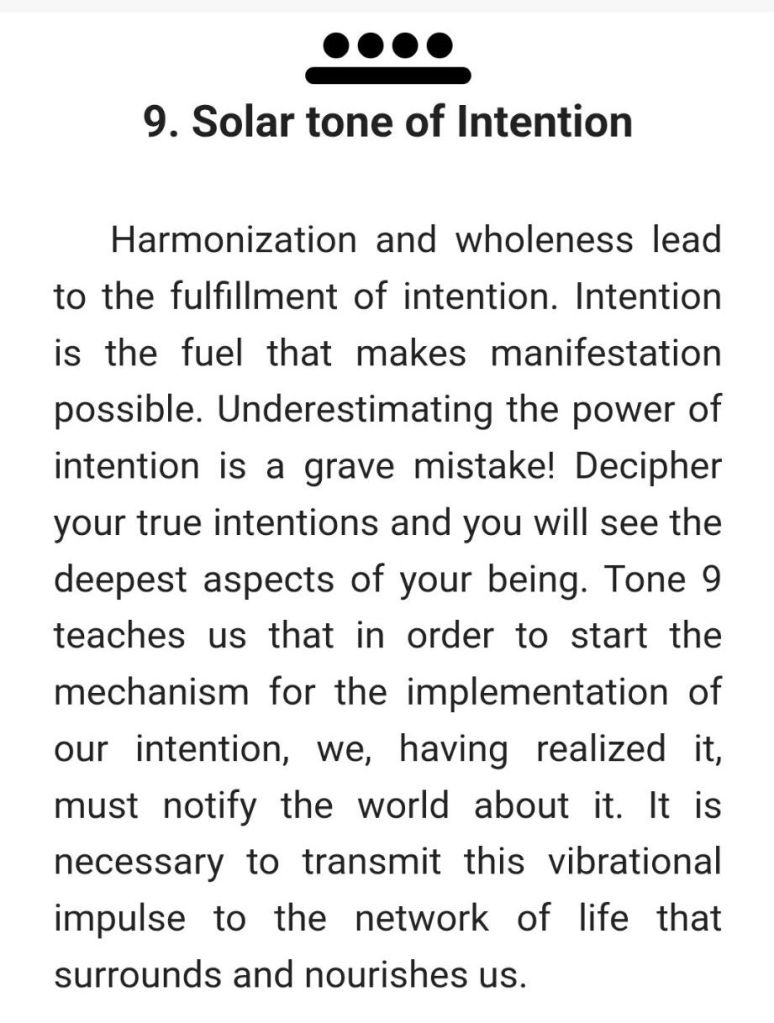
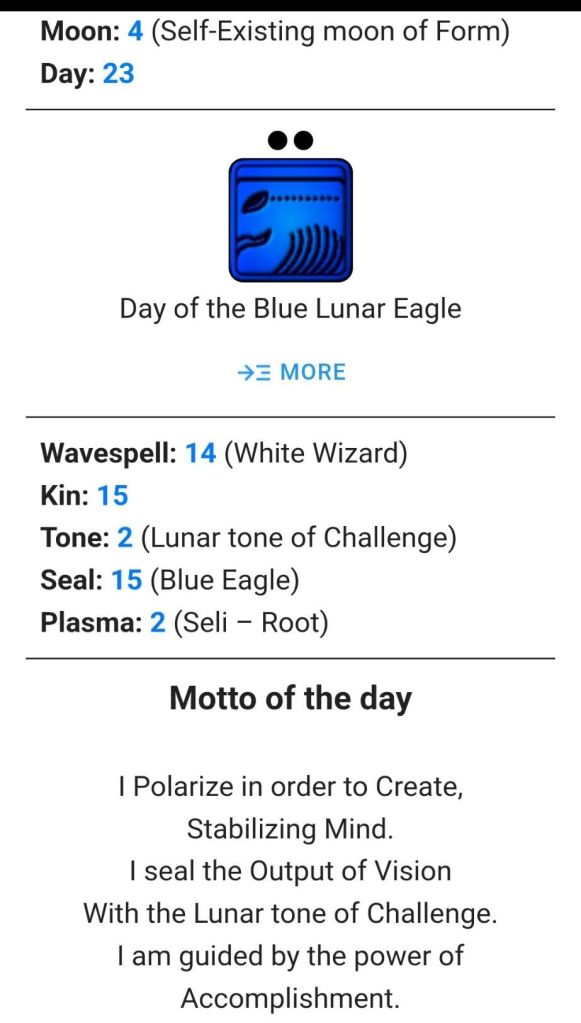
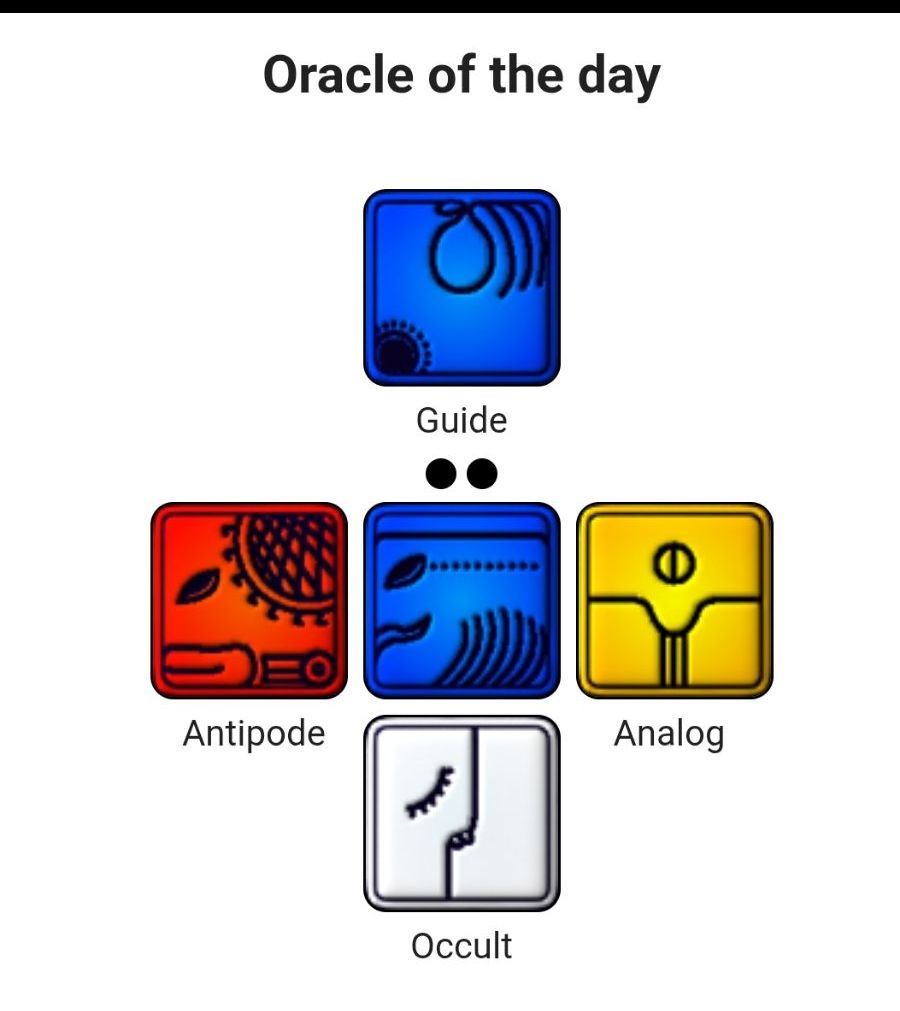
Every day, there are 4 dominant RNA patterns nudging all of us, and those spin out a bit based on the expanse of your perception. Let’s stick with 5. With just those 5, over 35 years, I’ve seen a ton of synchronicity. It is absolute. Today, it is 6 Isoleucine, 6 Glutamic acid, 6 Isoleucine, 6 Phenylalanine, and 8 Lysine.
There are NO MACHINES AND NO AI involved in any of this.
Our body, our world, our sun and planets, and our cosmos ARE THE REAL MECHANISM CREATING AN EXPONENTIAL MOUNTAIN OF NATURAL CHOICE, AND CREATIVITY FOR ALL OF CREATION. All humans, animals, plants, insects, mushrooms, and every other evolving RNA life form are in a dance of natural synchronicity. The numbers are staggering and far past what any machine can compute.
Our natural internal mechanism is the 260 kin Time Harmonic of RNA cells IN EVERY ONE OF OUR 37.2 TRILLION CELLS. We already have a cosmic software program IN US. All of nature does as I listed above functions via free will. We program ourselves.