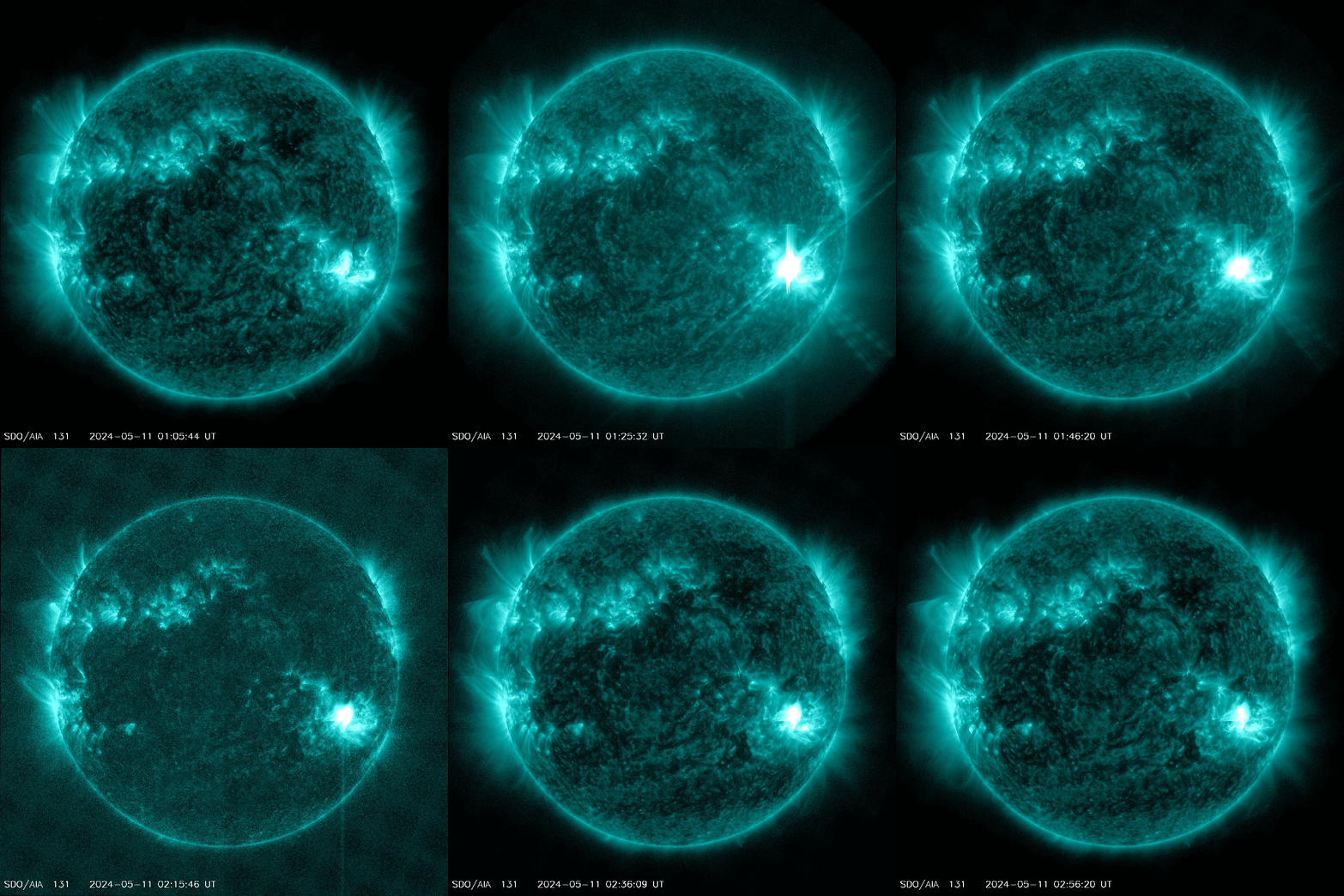
This weekend’s extreme geomagnetic storm is over, but there might be a last gasp. NOAA forecasters are currently predicting a return to severe (G4) conditions on May 12th when one or more CMEs might hit Earth’s magnetic field. Of particular interest is the CME from yesterday’s X5.8-class flare — a potent storm cloud that could spark renewed auroras if its internal magnetic field is oriented correctly. CME impact alerts: SMS Text
Please note that we enter another Time node pivot point in the Harmonic starting tomorrow and going for 4 days to Thursday.-Lisa T.
Spaceweather.com
EXITING THE STRIKE ZONE: Sunspot AR3664 is still a giant, easily the equal of Carrington’s sunspot, but it poses a declining threat to Earth. Why? Because it is exiting the strike zone. This picture from Philip Smith of Manorville NY shows the active region approaching the sun’s western limb:
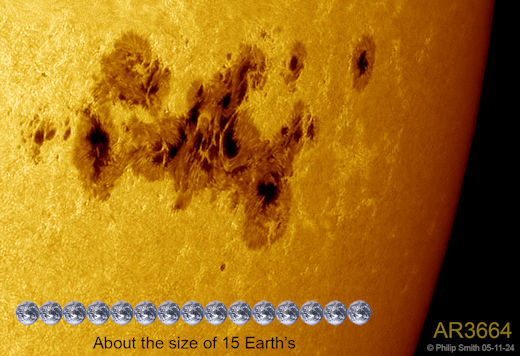
CMEs emitted by the departing sunspot are no longer flying toward Earth. At most only glancing blows are likely from eruptions on May 12th through 14th.
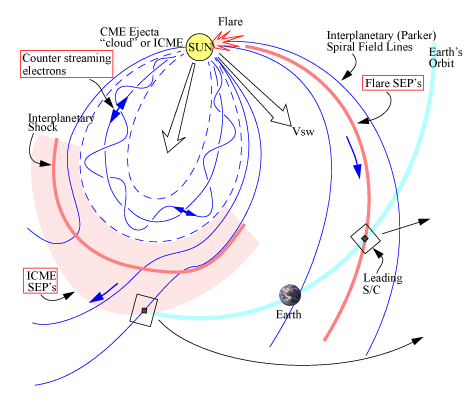
The danger could return on May 15th, however. On that date the sunspot will pass through a region of the sun magnetically connected to Earth via the Parker Spiral. Subatomic debris (protons and electrons) from explosions on May 15th and 16th could spiral back to Earth and rain down our planet. This is called a “radiation storm;” it can upset satellite electronics and cause polar radio blackouts. (It can also make humans feel virusy sick.)
Would you like an instant text message when solar radiation storms begin? Sign up for Space Weather Alerts and select the PRO plan.
Realtime Aurora Photo Gallery
Free: Spaceweather.com Newsletter
 Synchronicity is the Source of Consciousness