

X flare is as big as they get.
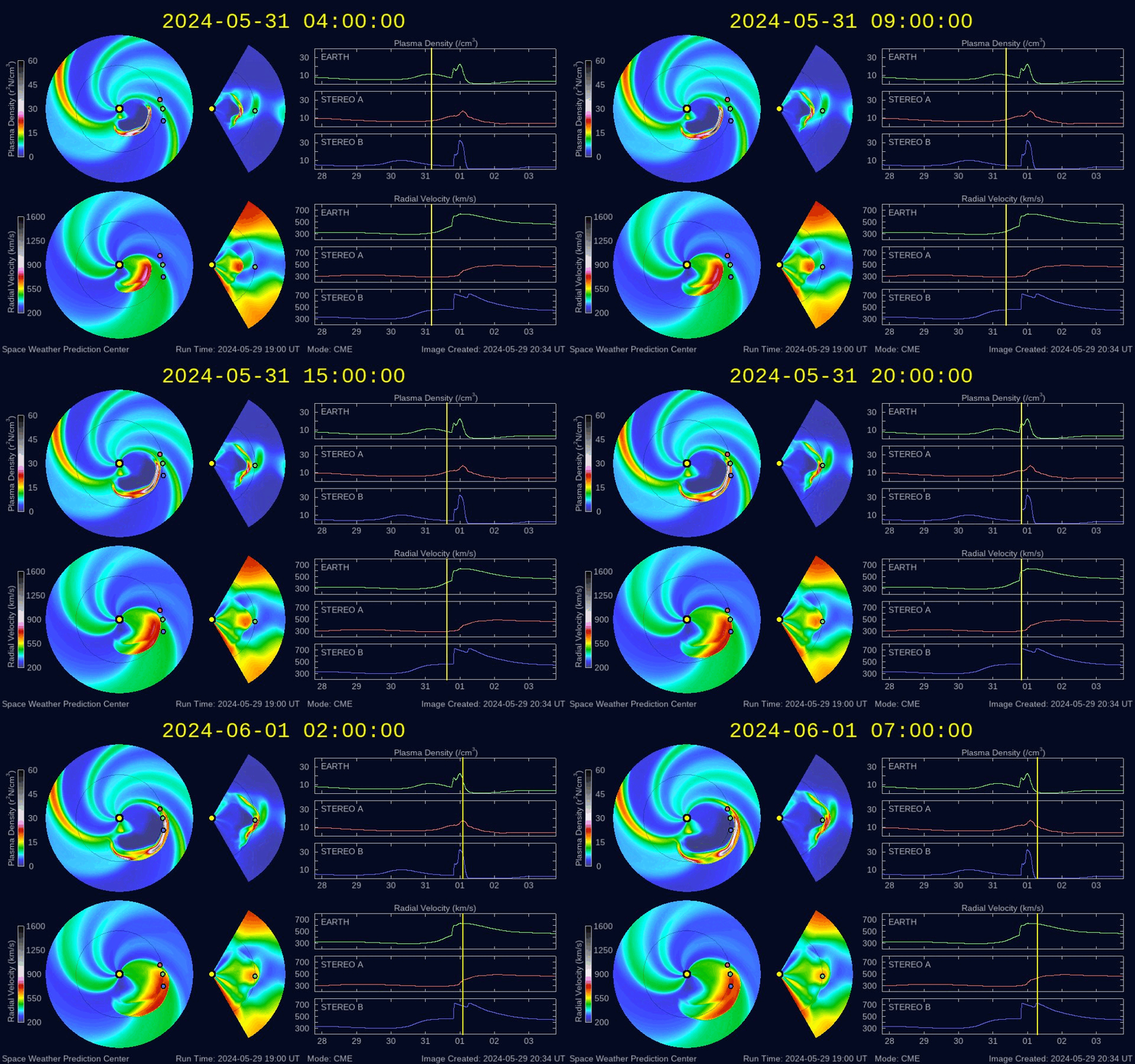
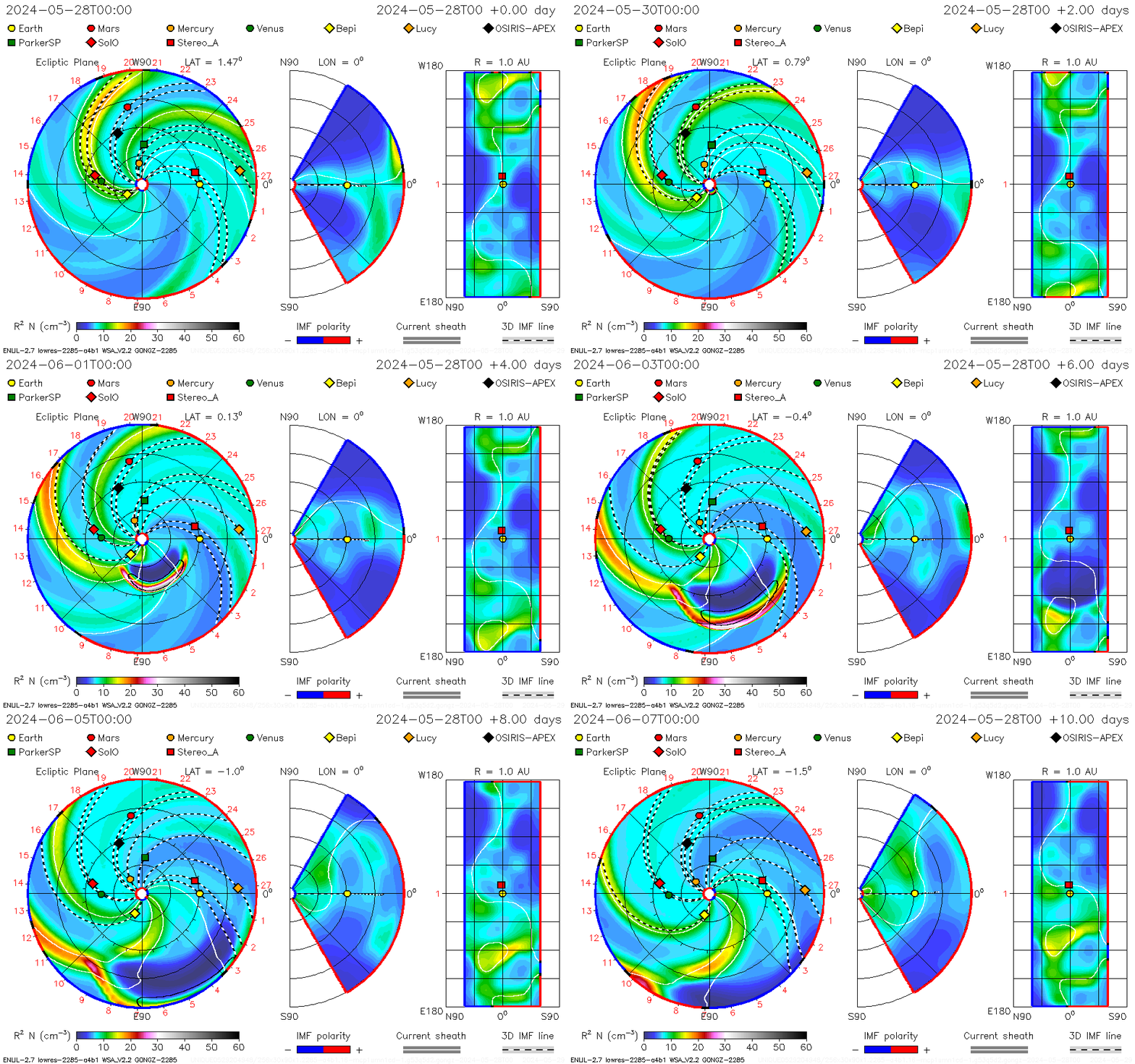
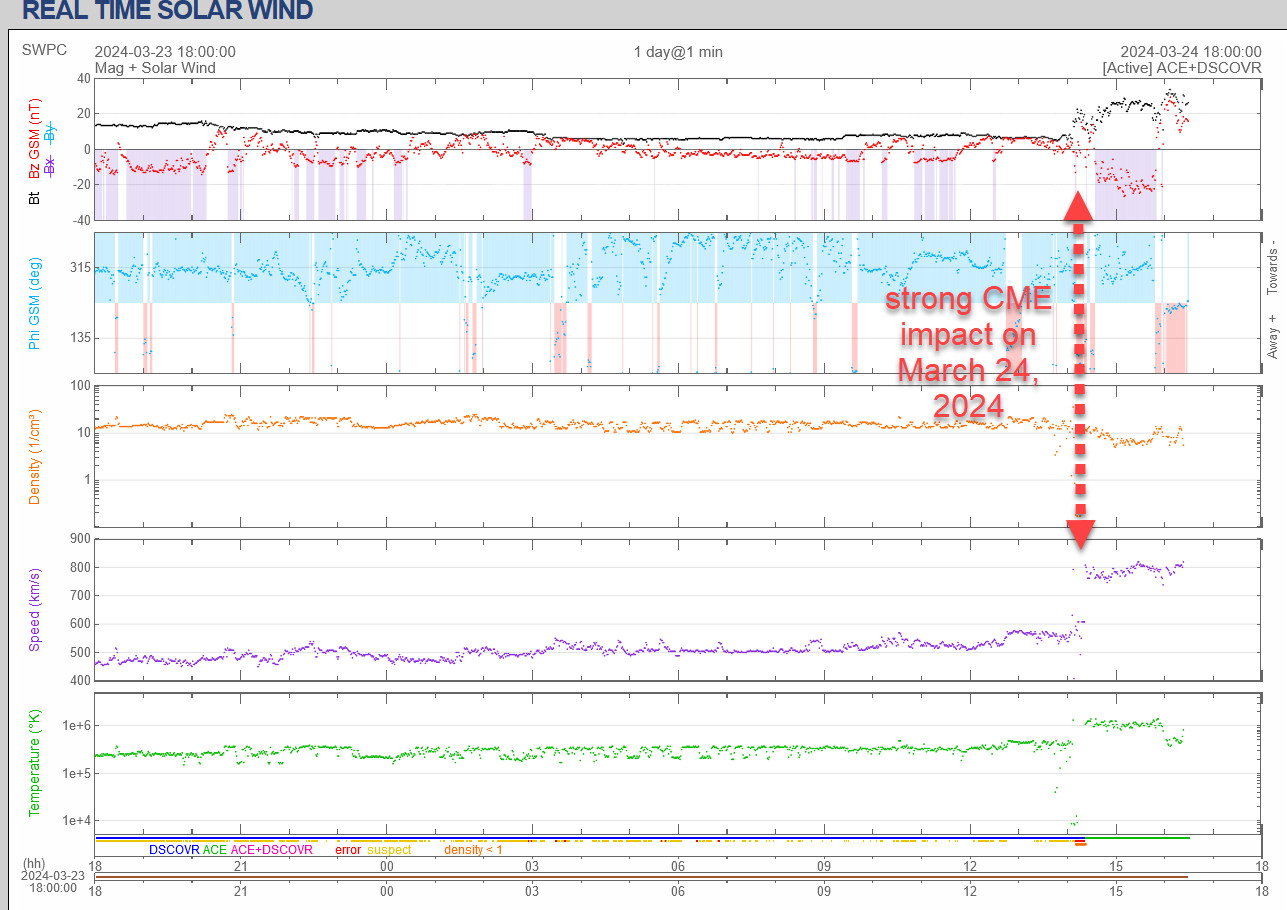
GEOMAGNETIC STORM WATCH (G2): NOAA forecasters say that G2-class geomagnetic storms are possible on May 31st when a CME hurled into space by yesterday’s X-flare grazes Earth’s magnetic field. This forecast is uncertain. NOAA’s model predicts a stiff glancing blow, while NASA’s model suggets a near miss. If an impact does occur, the resulting storm could extend into June 1st. Aurora alerts: SMS Text
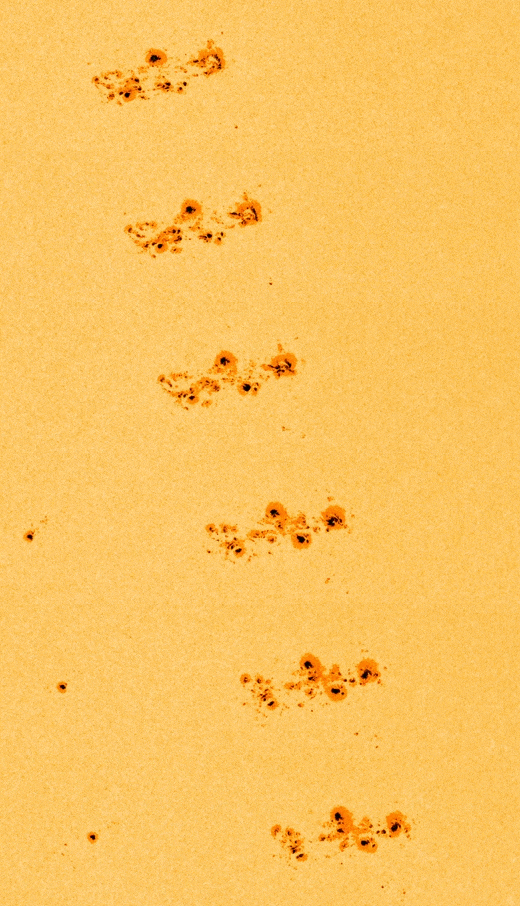
EARTH-DIRECTED X-FLARE AND CME: Old sunspot AR3664 isn’t as big as it used to be, but it is still very active. On May 29th (1437 UT), it produced an X1.4-class solar flare:
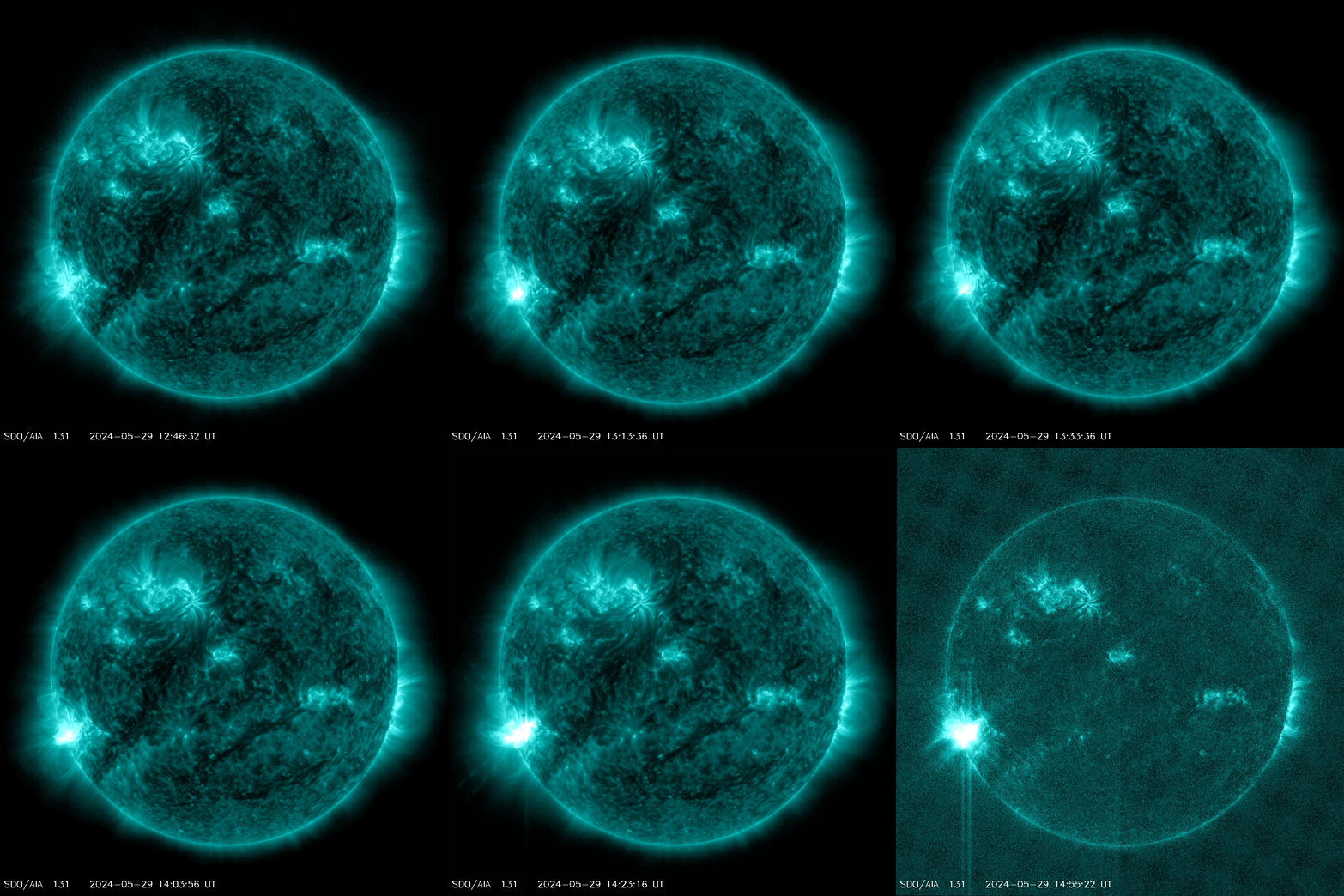
Note: The jiggling of the sun in this movie is not caused by the X-flare. Calibration offsets were underway during the flare. Credit: NASA/Solar Dynamics Observatory.
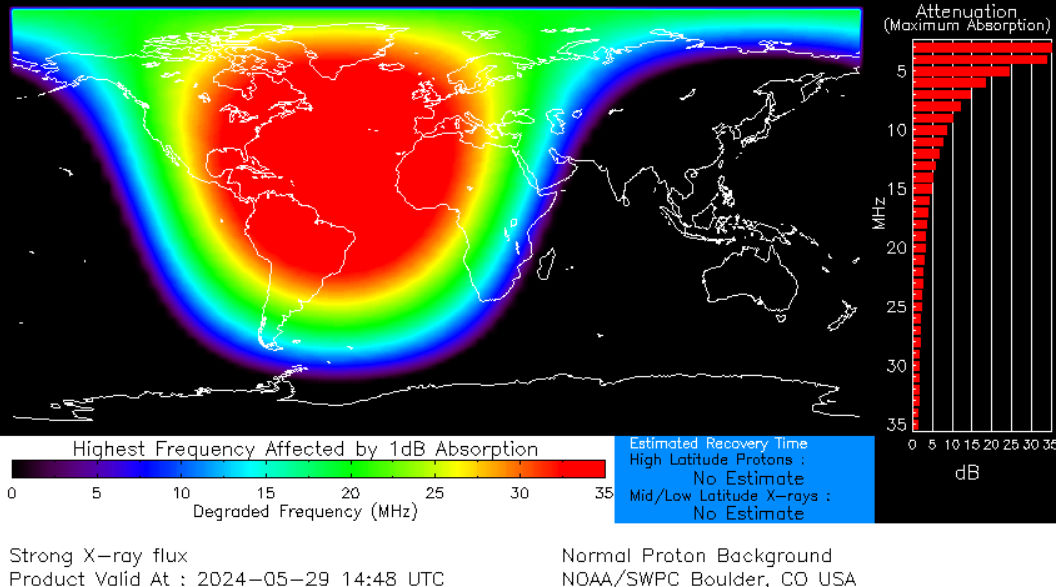
A pulse of extreme ultraviolet radiation produced a deep shortwave radio blackout over the Americas. Ham radio operators may have noticed loss of signal at all frequencies below 30 MHz for 60 to 90 minutes following the onset of the flare.
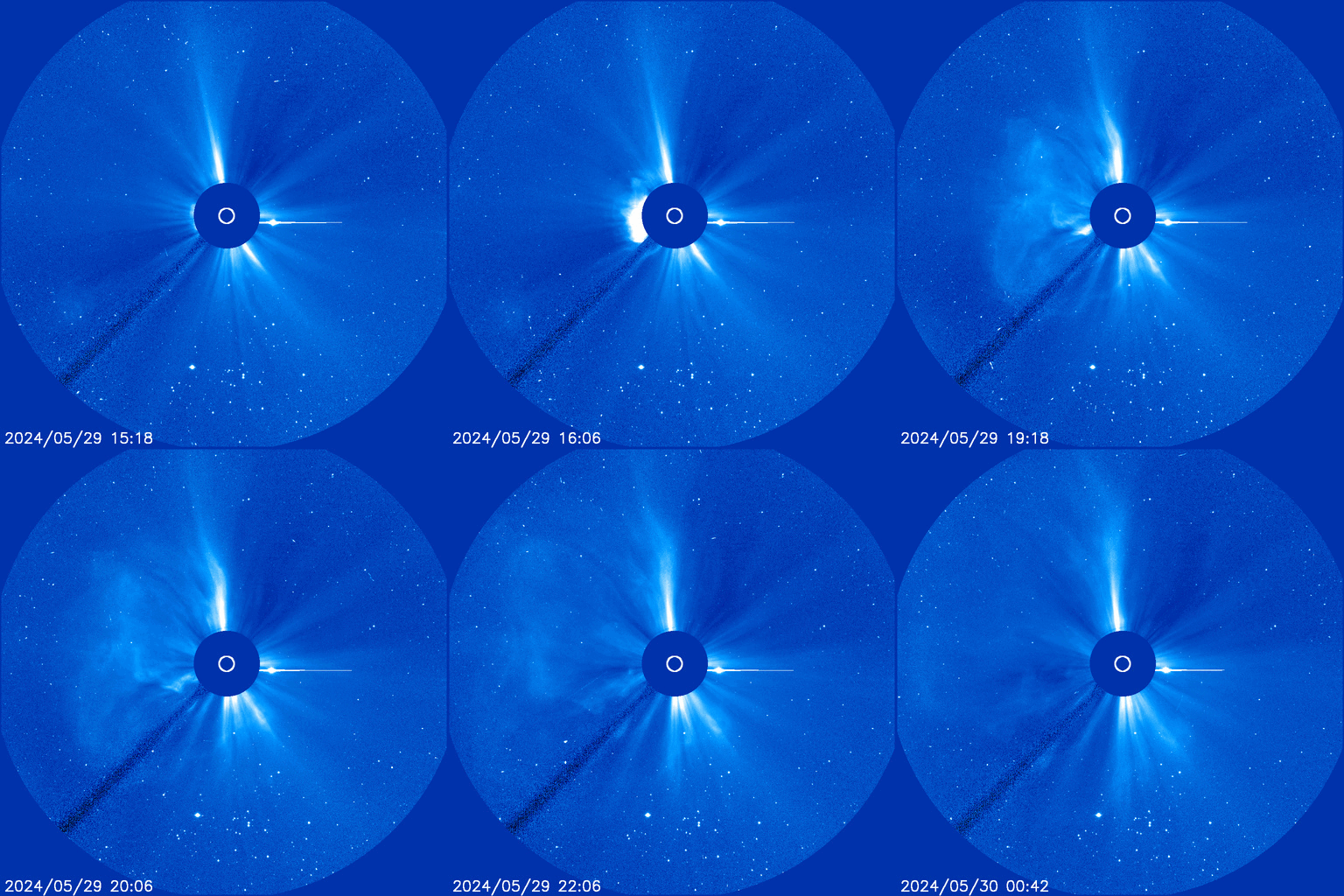
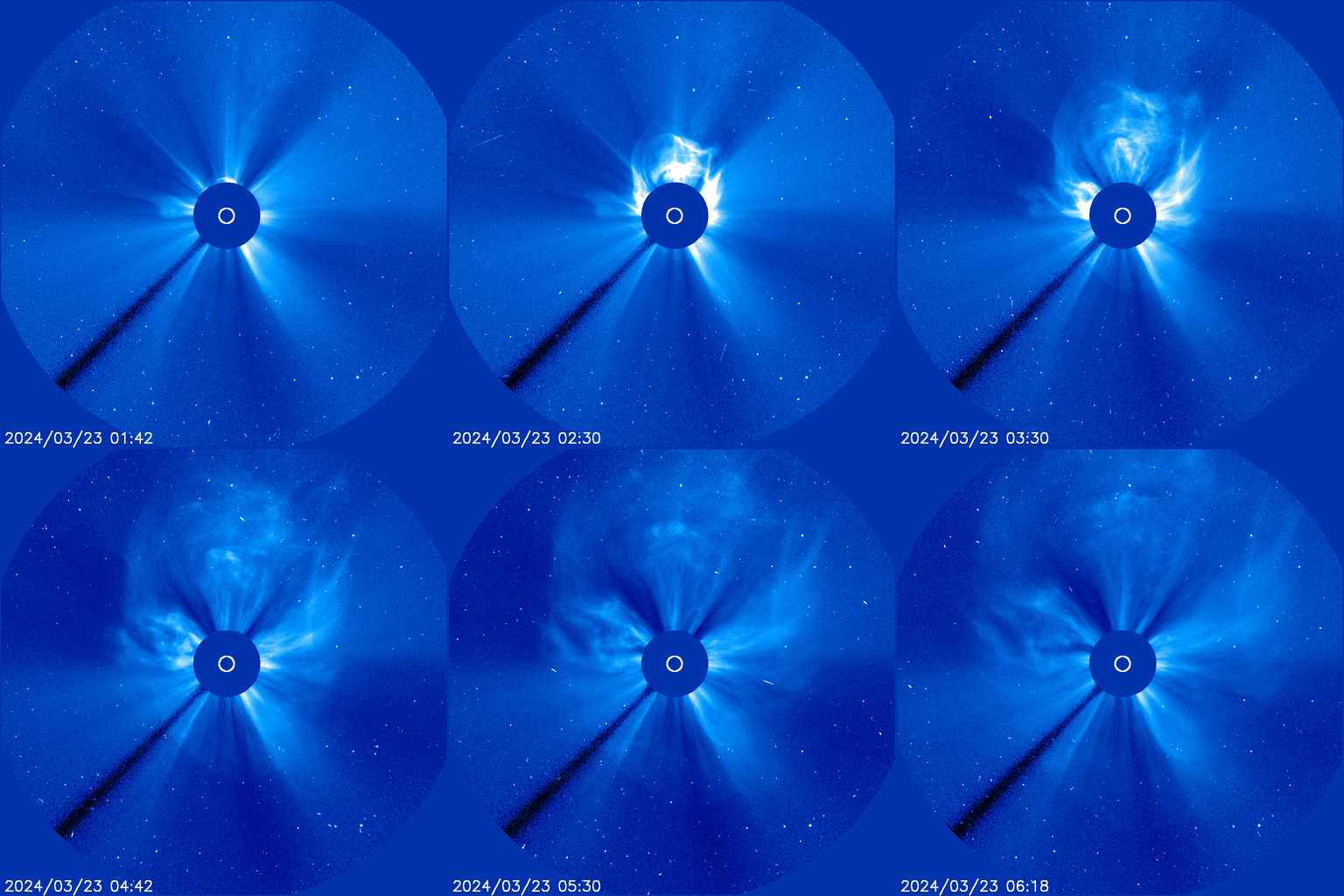
This explosion was remarkable for its duration. The X-class phase alone lasted more than an hour–plenty of time to lift a CME out of the sun’s atmosphere. Indeed, SOHO coronagraphs have detected a bright CME emerging from the blast site. NOAA models suggest it will reach Earth during the late hours of May 31st (around 2200 UT), delivering a glancing blow strong enough to spark a G2-class geomagnetic storm. Solar flare alerts: SMS Text
Realtime Space Weather Photo Gallery
Free: Spaceweather.com Newsletter









 Synchronicity is the Source of Consciousness






You must be logged in to post a comment.