
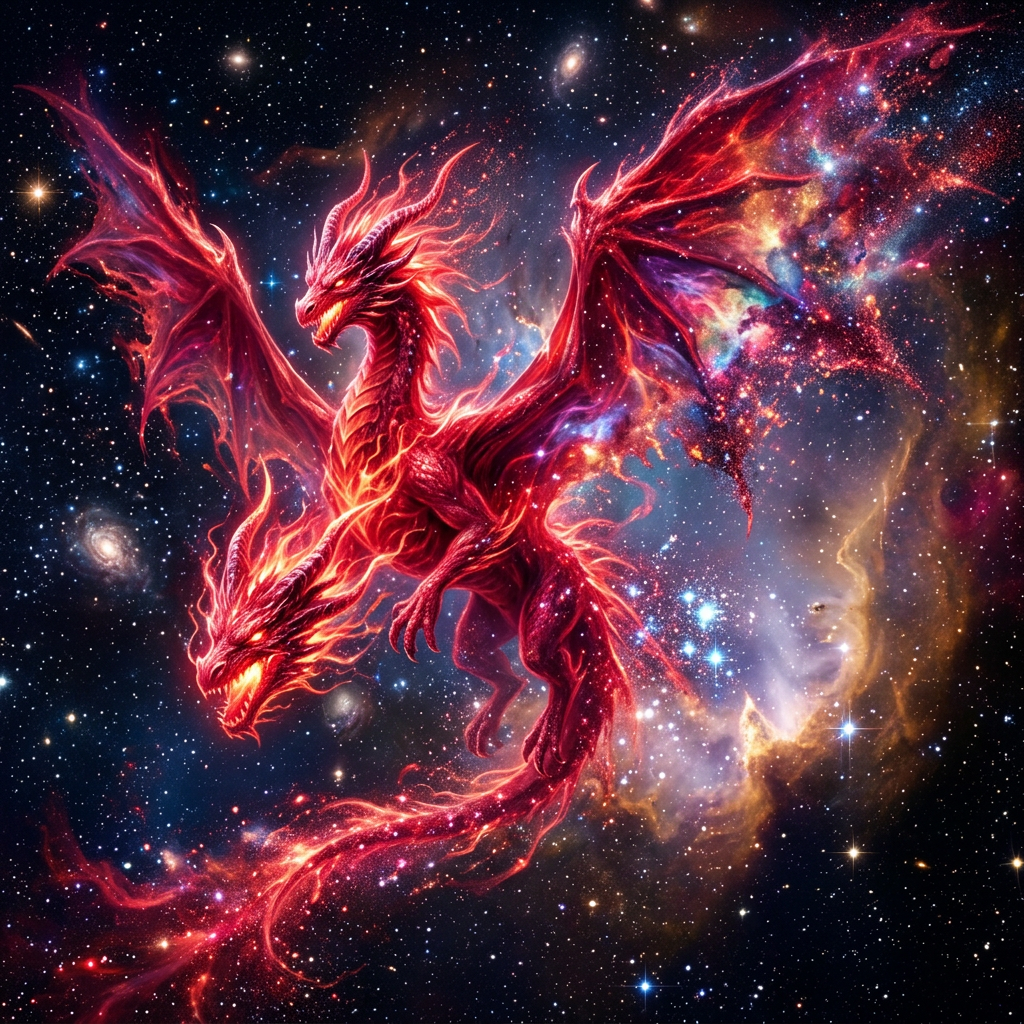
This is Cystine~ Tyrosine evolution and the MIRROR is a main archtype which showed up in the movie Twilight. This also covers the ET Draco ~Reptilians. The dragon is also the headliner in Game of Thrones lore.
Red Dragon is tribe #1 in the Time Harmonic and carries THE ROOT DNA of all life in earth. Every single human hails from Red Dragon Cysteine protein but moreso the Red tribes, Red Dragon, Red Serpent, Red Moon, Red Skywalker, and Red Earth. We are leaders and initiators for Earth.
We were restarting our evolution because of the Tiamat blowup, our mistake, so this had to have some teeth to start things up again. Earth was an extremely wild place when it was first forming.
There are real folkloric and linguistic connections in specific regions between Dragons and the famous “Dracula” etymology.
Balkan/Slavic folklore
In southern Bulgaria (especially the Rhodope Mountains region), vampires were sometimes called *drakus* (or similar forms), a term linked to “dragon.” This appears in sources on Bulgarian mythology and vampire lore. Related ideas also appear more broadly in the Balkans, where dragon-like or serpentine motifs occasionally overlap with undead/blood-drinking beings.
The Dracula connection
The name most people associate with vampires comes from “dragon”:
-Romanian *dracul* means “the dragon” (from Latin *draco*), and also carried a sense of “devil.”
– Vlad II was inducted into the Order of the Dragon (a Christian chivalric order), taking the name Dracul. His son, Vlad III (the Impaler), was known as Drăculea / Dracula—“son of the dragon” (or “son of the devil”).
– Bram Stoker later borrowed the name for his fictional vampire count, permanently linking the historical figure (and the dragon term) to vampire legend in popular culture.
This is historical naming + literary crossover rather than pure ancient myth, but it is the strongest and best-known “hook.”
Chinese folklore
China is the Red Dragon time portal in our model. Some Chinese tales feature dragons (*lóng*) behaving in vampiric ways: female dragons who seduce men and then drink their blood (or turn it into wine). These appear in classical collections of strange tales and treat dragons as potentially malevolent, shape-shifting, blood-taking entities rather than purely benevolent ones.
Other loose parallels
– Icelandic *draugr* (corporeal undead with some vampire-like traits) are sometimes compared to dragons because both can be greedy treasure-guardians who dwell in mounds or barrows.
– Broader Indo-European and other traditions sometimes blur large serpents/dragons with blood-drinking or life-force-stealing demons, but this is not systematic.
What is *not* the case
There is no widespread ancient myth in which vampires are inherently “hooked to,” descended from, or dependent on dragons (or vice versa). Classic European vampire folklore (Slavic *strigoi*, *upir*, Greek *vrykolakas*, etc.) centers on restless corpses, improper burial, and blood/life-force theft without requiring dragon ties. Modern fantasy (D&D vampiric dragons, Warhammer’s Blood Dragons, etc.) freely invents hybrids, but those are not traditional myth.
In short: the link exists mainly through regional naming (*drakus*), the Romanian “dragon” root of “Dracula,” and occasional Chinese stories of blood-drinking dragons. It is interesting and documented, but not a foundational or universal feature of vampire mythology.

