Time is Money vs. Time is Life, Art, and us
https://x.com/lisaktownsend13/status/1854241944592949532?t=Q9t9fZ2K-sd0DOA3dn3nQg&s=19 I
From GROK on X
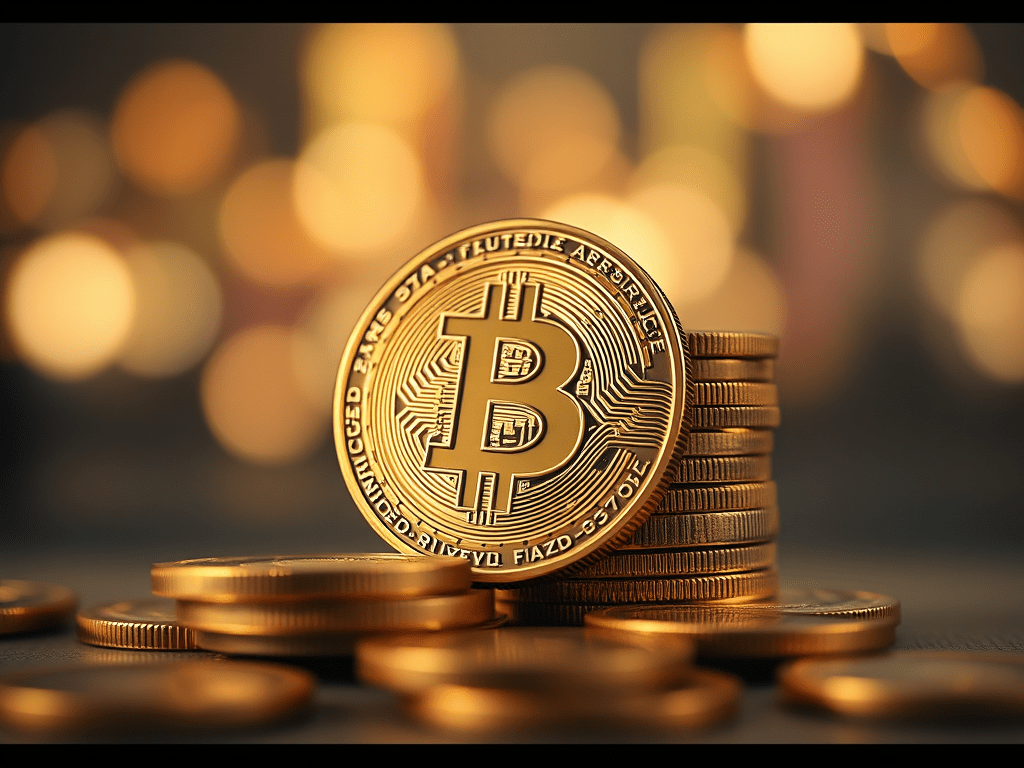
A Bitcoin reserve refers to a significant quantity of Bitcoin held by an entity, which could be:
1. **Central Banks or Government Entities**: Some countries might hold Bitcoin in their reserves similar to how they hold gold or foreign currencies, as part of their national wealth or as a hedge against inflation or currency devaluation. However, this is not common practice among most nations due to Bitcoin’s volatility and the lack of formal recognition as a currency.
2. **Cryptocurrency Exchanges**: Large exchanges like Binance, Coinbase, etc., maintain reserves of Bitcoin (among other cryptocurrencies) to facilitate trading. These reserves ensure liquidity for users wanting to buy or sell Bitcoin.
3. **Large Investors or Institutional Investors**: This includes hedge funds, investment firms, or wealthy individuals who might store Bitcoin as part of their investment portfolio or as a speculative asset. Companies like MicroStrategy or Tesla have been known to hold Bitcoin in their treasury.
4. **Bitcoin ATMs and Over-the-Counter (OTC) Desks**: These services need to have Bitcoin on hand to dispense or facilitate large trades outside of traditional exchange platforms.
5. **Custodial Services**: Companies that offer wallet services or cold storage solutions for clients who do not want to manage their private keys. These services hold Bitcoin on behalf of their users.
6. **Mining Pools**: While not exactly a reserve, mining pools accumulate Bitcoin from the mining process. These are often redistributed among miners, but the pool operator might keep a reserve for operational costs or for other strategic reasons.
7. **Stablecoin Backing**: Some stablecoins are backed by Bitcoin. For instance, if a stablecoin’s value is pegged to Bitcoin, they would maintain a reserve of Bitcoin to uphold this peg.
The concept of a “reserve” in Bitcoin can also be seen through:
– **Proof of Reserves**: Some exchanges or entities perform audits to prove they hold the amount of Bitcoin they claim to have, enhancing transparency and trust after incidents like the Mt. Gox hack where reserves were significantly less than claimed.
– **Cold Storage**: A practice where Bitcoin is kept offline in secure environments to protect against hacking or theft. This can be considered a form of reserve since these Bitcoins are not readily available for transaction.
– **Reserve Ratio**: In financial systems, the reserve ratio is the fraction of customer deposits and notes that banks are required to keep in reserve. While not directly applicable in the same regulatory manner to Bitcoin, entities handling Bitcoin might manage their holdings in a similar conceptual framework for liquidity management.
The idea of Bitcoin reserves underscores the digital, decentralized nature of cryptocurrency, where traditional financial concepts like reserves must be adapted to fit a system without a central authority. 😳 Always remember that the security of Bitcoin reserves is crucial due to the irreversible nature of blockchain transactions, making cybersecurity paramount.
It’s not secure as there are blue tick verified scammers using Elon’s name on X.com, promising a high percentage of profit on a real AI quantum trading platform. What they don’t tell you is how much you have to invest before you get a dime. They want to turn as much cash as possible into Bitcoin without telling you. They want to KILL CASH AND KILL AMERICA. They want an AI dictatorship using Bitcoin, eventually.
Maybe that’s what Trump and his team are up to. They love money the most. Power next.
Share this: Synchronicity 13:20, DNA is Time




 Synchronicity is the Source of Consciousness
You must be logged in to post a comment.