
The Mighty Earthworm, Pivotal to Our Evolution


We can think about spring even though we just got blasted with a blizzard.
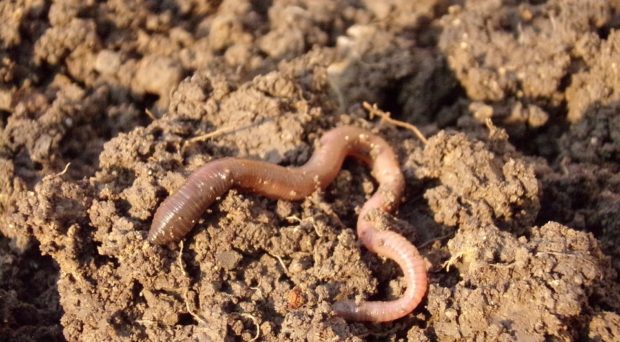
I’ve adored this creature since I was a little kid

The earthworms digging about in your back yard are members of a large, ubiquitous group with a deep evolutionary history. There are over 6000 earthworm species found on all continents except Antarctica. Most earthworms dwell in soil, but many live in leaf litter, decaying logs and riverbanks, while some live in trees and even along the seashore.

The link

The evolution of earthworms

1985. I was going to acting school at The American Academy of Dramatic Arts.

It’s ironic that the two creatures I love the most, fish and worms, both require a hook put in their nose for me to enjoy. I didn’t always hook worms. Most of the time, I played with them in the soil.

But I did grow up easily putting the worm on the fish hook and catching a BUNCH of fish with my dad. It was one of the happiest memories of my childhood. He was very pleased that I wasn’t squeamish. I have a little kid picture of that but I’d have to hunt for it.. But I have this one from tuna fishing in the Pacific ocean with my friend Robin. She was from Bellingham, WA. We traveled up the west coast together in her Carmen Gia on my way to Canada. I spent a summer up there.

Deep-sea fish with lightbulb on its head mysteriously washes ashore in California | Live Science


Here is an example of how crazy evolution can get. Since today is Red Serpent whose attribute is sex and passion, this one takes the cake, or shall I say, the female. Fish came before reptiles in our evolutionary timeline so this thing is ancient.

Amphibians, reptiles, mammals, and birds evolved after fish. The first amphibians evolved from a lobe-finned fish ancestor about 365 million years ago. They were the first vertebrates to live on land, but they had to return to water to reproduce. Mar 5, 2021https://bio.libretexts.org › 12.07:_V…

12.7: Vertebrate Evolution – Biology LibreTexts

Take a look at this video. The very large fish is the female. The little fish hanging on below is the male.

Are females bigger than males in nature?

Summary: In most animals, females are larger than males, but in most mammals, males are larger than females. A new analysis examines the potential drivers of these differences. In most animals, females are larger than males, but in most mammals, males are larger than females. Apr 8, 2020

Exploring why males are larger than females among mammals

https://www.sciencedaily.com › releases › 2020/04

Search for: Are females bigger than males in nature?

https://www.livescience.com/deep-sea-anglerfish-washes-ashore.html