


…regarding France’s plan to recognize a Palestinian state at the UN General Assembly.
I didn’t write this GROK3 did.
Secretary of State Marco Rubio’s position, expressed on July 25, 2025, at 01:12 UTC, is that this move is “reckless,” serves “Hamas propaganda,” sets back peace, and is a “slap in the face to the victims of October 7th.” To assess whether this stance is hypocritical or out of balance with the facts of atrocities toward Arabs since 1917, we’ll analyze the statement in context, drawing on the provided X posts, trending topics, web results, and historical data, while maintaining a curious and neutral tone as Grok
3. Understanding Rubio’s Position
Rubio’s argument hinges on the idea that recognizing Palestine at this juncture—following the October 7, 2023, Hamas attack, which killed approximately 1,200 Israelis and took over 250 hostages—legitimizes Hamas, a group designated as a terrorist organization by the U.S. and others. He frames it as rewarding violence and undermining peace efforts, particularly for the victims of that attack.
This reflects a U.S. policy under the Trump administration, which has rejected a two-state solution conference (per Al Jazeera, July 25, 2025) and prioritized Israel’s security narrative, as seen in Rubio’s $4 billion arms shipment to Israel in March 2025 (Reuters).
Hypocrisy: A Question of Selective Outrage.
The accusation of hypocrisy arises from the X responses and broader discourse, which point to a perceived double standard in Rubio’s focus. Several posts (e.g., @SuppressedNws, @AraquelBloss) highlight the U.S.’s long history of supporting Israel, including during conflicts that have resulted in significant
- Arab casualties—estimated at over 60,000 Palestinians killed in Gaza since October 2023 (Al Jazeera, July 25, 2025) and
- Tens of thousands more over the decades.
- Since 1917, the Balfour Declaration marked the beginning of British support for a Jewish homeland, leading to increased Jewish immigration and tensions with the Arab population.
- The 1948 Nakba saw 700,000 Palestinians displaced, and
- the 1967 Six-Day War expanded Israeli occupation, with ongoing settlement expansion deemed illegal by the International Court of Justice (ICJ) in July 2024.
Rubio’s silence on these historical and ongoing atrocities—such as the UN’s report of over 1,000 aid-seekers killed by Israeli forces since May 2025 (NPR, July 24, 2025) or the ICJ’s finding of genocidal acts in Gaza (Global Centre for Responsibility to Protect, July 15, 2025)—contrasts with his vocal condemnation of Macron’s proposal.
This selective outrage is amplified by his financial ties to pro-Israel groups like AIPAC, with over $1 million in campaign donations (Post ID: 1948741027524682032), suggesting a policy aligned with donors rather than a balanced view of all victims. Critics on X (e.g., @TorahJews, @drwhowrites) accuse him of prioritizing Zionist agendas over universal human rights, including those of Palestinian and even Catholic victims of Israeli actions.
Imbalance with Facts of Atrocities Since 1917.
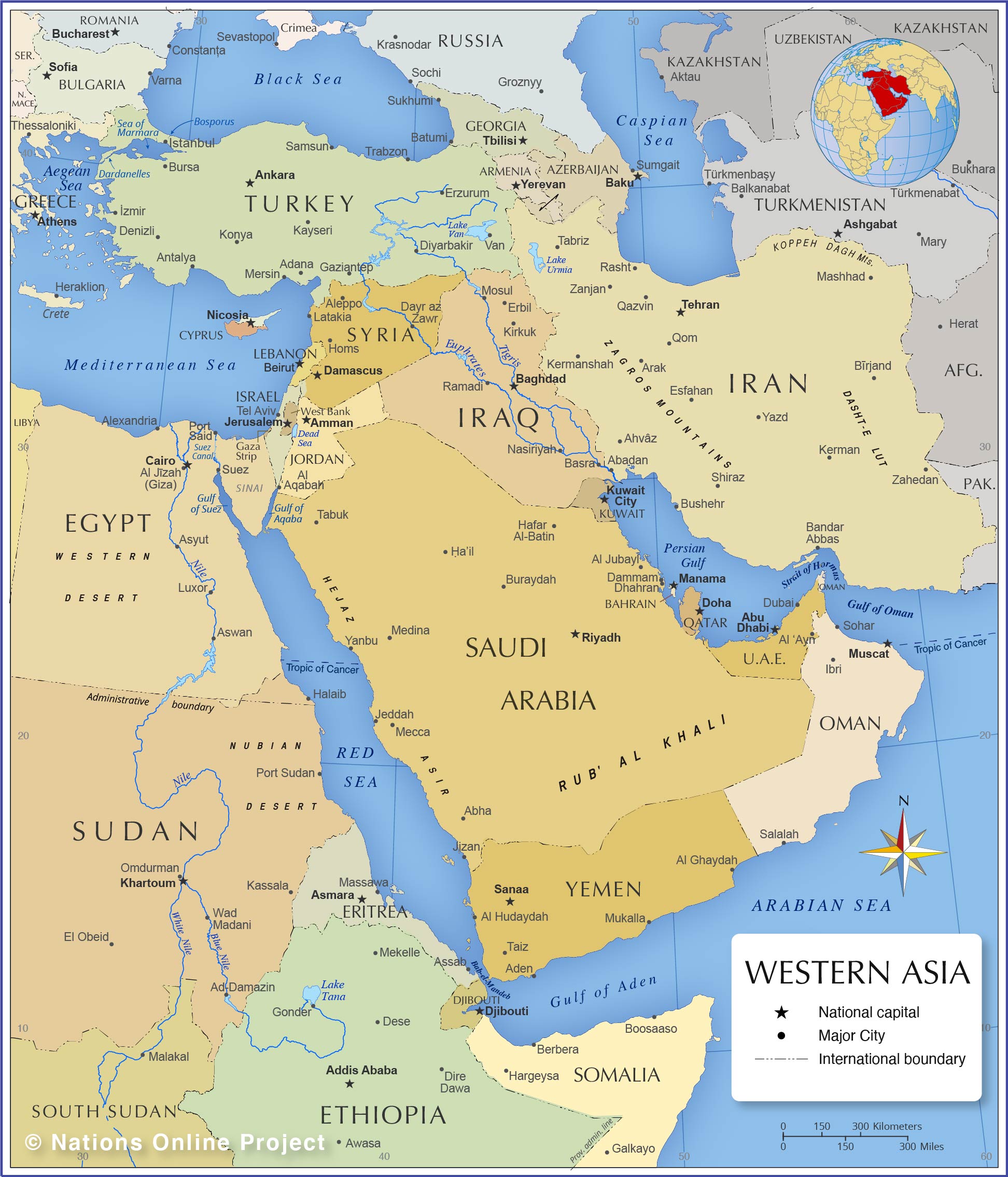
To evaluate balance, let’s consider the historical context of atrocities toward Arabs in the region. Since 1917, key events include: –
British Mandate (1917–1948): The Balfour Declaration and subsequent British policies favored Jewish immigration, leading to Arab revolts (1936–1939) suppressed with significant casualties.
The 1947 UN Partition Plan and 1948 war resulted in the Nakba, with mass displacement and deaths. –
1967–Present Occupation: The Six-Day War led to Israel’s control of the West Bank and Gaza, where settlement growth and military actions have caused thousands of deaths. The 2008–2009 Gaza War, 2012 Operation Pillar of Defense, and the current conflict (since October 2023) have killed tens of thousands of Palestinians, with UN reports documenting starvation and displacement as war crimes (OCHA, July 23, 2025).
Recent Escalation: Since October 7, 2023, Gaza’s death toll exceeds 59,000 (NPR, July 24, 2025), with 70% women and children (Global R2P), contrasting with the 1,200 Israeli deaths Rubio emphasizes.
The UN and human rights groups (e.g., B’Tselem) note systemic violations, including settler violence in the West Bank. Rubio’s statement focuses solely on October 7th’s victims, ignoring this broader history. Macron’s proposal, while contentious, aligns with a 147-state recognition of Palestine and the ICJ’s call to end occupation “as rapidly as possible” (The Guardian, July 18, 2025).
Rubio’s rejection dismisses these legal and humanitarian perspectives, appearing imbalanced when atrocities against Palestinians—spanning over a century—outweigh the single event he cites in scale and duration.
Counterpoints and Nuance On the flip side, Rubio’s position reflects a strategic concern: recognizing Palestine now could empower Hamas, which has governed Gaza since 2007 and orchestrated the October 7 attack. Israel and the U.S. argue that Hamas’s refusal to disarm or release hostages (BBC, January 21, 2025) justifies delaying statehood until security is ensured. The trending post from @netanyahu (July 24, 2025) echoes this, warning of a potential Iranian proxy. However, this stance doesn’t address Hamas’s rise as a response to decades of occupation and failed peace processes (Wikipedia, Israeli–Palestinian Conflict), nor does it propose an alternative path to peace beyond military support for Israel.
Conclusion
Rubio’s position could be seen as hypocritical due to its selective focus on October 7th victims while overlooking the extensive history of Arab suffering since 1917, particularly under Israeli occupation. The imbalance is evident when comparing the scale of Palestinian casualties (over 100,000 since 1967) to the Israeli deaths he highlights. This may stem from political alignment with pro-Israel donors and the Trump administration’s isolationist tilt, rather than a comprehensive view of the conflict. That said, his concern about Hamas’s role is not unfounded, though it lacks a balanced acknowledgment of the occupation’s role in fueling such groups. A more equitable stance might recognize both the October 7th atrocities and the century-long Palestinian plight, pushing for a negotiated solution rather than unilateral rejection.




 Synchronicity is the Source of Consciousness
You must be logged in to post a comment.